
Micronization is a feed processing technique that makes grains and legumes easier for horses to digest. By using infrared (IR) heat, it changes the structure of starches and proteins, improving nutrient availability and reducing digestive risks. This has made micronization an important innovation in equine nutrition.
What Is Micronization?
Micronization uses infrared heat to quickly heat up feed ingredients:
- Raw ingredients are spread on a conveyor belt.
- Infrared plates heat the seeds, causing water molecules inside to vibrate and create pressure.
- This pressure cracks the seed coat from within.
- The grains are lightly flaked and cooled, locking in the improved structure.
Unlike boiling or traditional cooking, micronization preserves more nutrients while still making starches and proteins far easier for the horse to use.
Why Micronized Feeds Help Horses
- Better digestibility: Up to 30–40% more starch digested in the small intestine.
- Fewer digestive issues: Less undigested starch reaches the hindgut, lowering risks of colic, laminitis and acidosis.
- More usable energy: 5–15% higher metabolizable energy than raw grains.
- Improved protein quality: Heat reduces anti-nutritional factors in legumes.
- Vitamin retention: Compared with other heating methods.
Micronized Lupins: A Low-GI Energy Source
Lupins are high in protein (30–40%), fibre and contain useful oils (5–10%). Micronization improves their digestibility and makes their nutrients more available.
Benefits of Micronized Lupins
- Excellent protein source: With fewer anti-nutritional factors.
- High fibre and fat: Energy is released slowly.
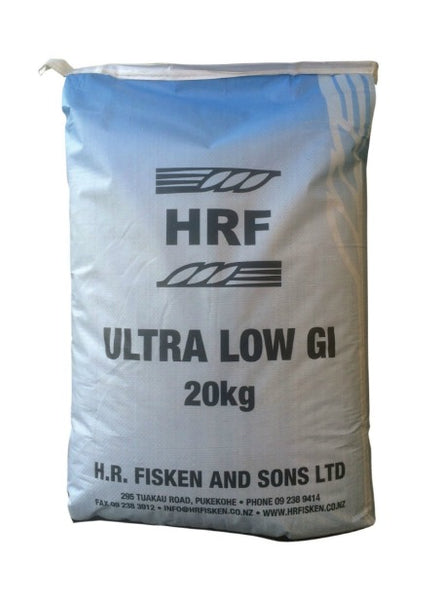
- Low glycemic index (GI): Ideal for horses prone to laminitis or metabolic issues.
Micronized Barley: Safer Starch Energy
Barley is a common grain in horse feeds, but raw barley is hard to digest and can overload the hindgut. Micronization helps solve this.
Benefits of Micronized Barley
- Starch is gelatinized: Making it far more digestible in the small intestine.
- Reduces digestive risks: Lowers the chance of colic, laminitis and hindgut acidosis.
- Provides steady, higher-energy fuel: Compared to oats.
- Best suited to performance horses: Higher GI than lupins, not ideal for metabolic cases.
Comparison of Feed Ingredients
| Nutrient Factor | Micronized Lupins | Micronized Barley | Oats (Raw) | Corn (Raw) | Lucerne (Raw) |
|---|---|---|---|---|---|
| Starch Content | Low (5–10%) | High (55–60%) | Moderate (40–45%) | Very High (70–75%) | Very Low (<5%) |
| Protein Quality | Very High | Moderate | Moderate | Low | High |
| Fibre Content | High | Low | Moderate | Low | High |
| Glycemic Response | Low | Moderate–High | Moderate | High | Low |
| Best For | Low-GI diets, metabolic horses | Performance horses needing starch energy | General use | High-energy rations only | Extra condition, bone health, balanced energy |
We included lucerne (alfalfa) in this table as a point of comparison because it’s widely fed as a high-fibre, high-protein forage. While micronized grains and legumes undergo heat processing to improve digestibility, lucerne delivers naturally low starch and low GI energy, making it a valuable comparison point in low-GI and conditioning diets — high protein and fibre, supports bones, safe energy.
Choosing Micronized Feeds
When selecting feeds:
- Check the label for “micronized” ingredients.
- Look at starch and sugar levels and avoid grains if your horse needs low-GI feed.
- Match the ingredient to your horse’s needs:
- Micronized lupins: Sugar-sensitive horses, safe protein and energy.
- Micronized barley: High-energy performance horses (not suitable for metabolic cases).
- Always introduce gradually over 7–14 days.
Key Takeaways
- Micronization makes grains and legumes safer, more digestible and more nutritious for horses.
- Lupins: Low starch, high protein and fibre — ideal for low-GI diets.
- Barley: Energy-dense, safer when micronized, best for performance horses.
- Choosing the right micronized ingredient depends on your horse’s health, workload and dietary needs.
Fiskens Nutritional Science
Fiskens feeds are formulated in collaboration with qualified equine nutritionists for optimal performance and balance. With over 60 years of expertise in equine nutrition, Fiskens is a trusted leader in developing scientifically-backed feed solutions that support horse health and performance across all disciplines.